Creating a home that is accommodating for individuals with special needs requires careful attention to both functionality and comfort. A special needs friendly environment allows residents to move freely, perform daily tasks independently, and enjoy a safe and welcoming space. From adjusting furniture arrangements to implementing advanced technology, every detail contributes to the overall accessibility of a home. Thoughtful design can reduce stress for caregivers, improve daily routines, and enhance the quality of life for all residents. While some modifications may be simple, like rearranging furniture or selecting non-slip flooring, others may involve professional services such as basement remodeling or home construction adjustments. Incorporating elements such as motorized shades, accessible cabinetry, and beds for kids with special needs ensures that all areas of the house are functional and comfortable. Even routine maintenance, like timely ac repair or utilizing plumbing supply services for accessible fixtures, plays a role in creating a safe home. By addressing the specific requirements of each room and considering the overall flow of the house, families can create an inclusive and supportive living environment that meets the diverse needs of every resident.
How Can I Make My Living Room More Accessible?
Furniture Arrangement
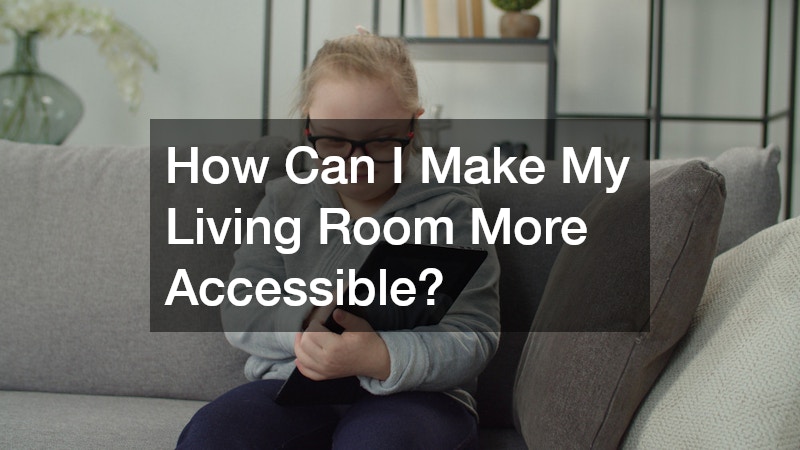
The layout of your living room can greatly impact accessibility for special needs residents. Consider arranging furniture to create wide pathways that accommodate wheelchairs, walkers, or other mobility devices. Position seating to allow for easy movement while ensuring that essential items, like remote controls or lighting switches, are within reach. Avoid overcrowding the room with decorative items or furniture that obstructs movement. Using lightweight, movable pieces can allow for flexible arrangements that adapt to changing needs. Additionally, incorporating furniture with supportive features, such as armrests or firm cushions, can make seating more comfortable and safer for individuals who may have balance or mobility challenges. When planning the space, think about accessibility from the doorway to seating areas and the ease of reaching entertainment units. Arranging furniture strategically also helps reduce the risk of tripping and promotes independence for residents.
Lighting Solutions
Proper lighting is crucial in creating a special needs friendly living room. Adjustable lighting options, such as dimmable ceiling lights or floor lamps, can enhance visibility for residents with vision challenges. Incorporating natural light where possible improves mood and orientation, but make sure to use motorized shades to control glare and brightness effectively. Motion-sensor lights are another helpful solution, reducing the need to navigate a dark room. Task lighting near reading areas or craft stations can make activities easier and safer. Additionally, using contrasting colors for walls, furniture, and flooring can improve depth perception and spatial awareness. Regular AC repair and maintenance can also indirectly support comfort, as maintaining proper airflow ensures a consistent temperature that can reduce stress for special needs residents. Thoughtful lighting combined with a well-arranged living space creates an inviting and accessible environment for everyone.
What Modifications Are Needed in the Kitchen?
Counter Height Adjustments
Kitchens can present unique challenges for special needs residents, particularly regarding counter accessibility. Adjusting countertop heights allows individuals in wheelchairs or those with limited reach to comfortably prepare meals. Pull-down shelves and adjustable cabinets can further improve accessibility, ensuring that all essential items are easy to reach. If remodeling the kitchen is an option, working with a home construction professional can help integrate these modifications seamlessly. Installing accessible sinks and faucets, potentially sourced through local plumbing supply services, enhances independence and reduces strain for residents. Combining these changes with thoughtful placement of frequently used items creates a kitchen that is both functional and safe for everyone.
Organizational Tools
Organization is key in a special needs friendly kitchen. Use labeled containers, clear bins, and pull-out drawers to make it easier for residents to access and store items. Incorporating adaptive tools, like easy-grip utensils and non-slip cutting boards, ensures that residents can perform cooking tasks safely. Consider adding a pick up and delivery laundry service station nearby, so laundry tasks do not interfere with kitchen accessibility or create clutter. Incorporating these organizational tools, alongside careful planning of electrical outlets, motorized shades, and lighting, allows residents to navigate the kitchen confidently. Additionally, ensuring that flooring is non-slip and that pathways are clear supports mobility and reduces the risk of accidents. By combining accessibility modifications with thoughtful organization, the kitchen becomes a practical and inclusive space for everyone.
How to Adapt the Bathroom for Special Needs?

Installation of Grab Bars
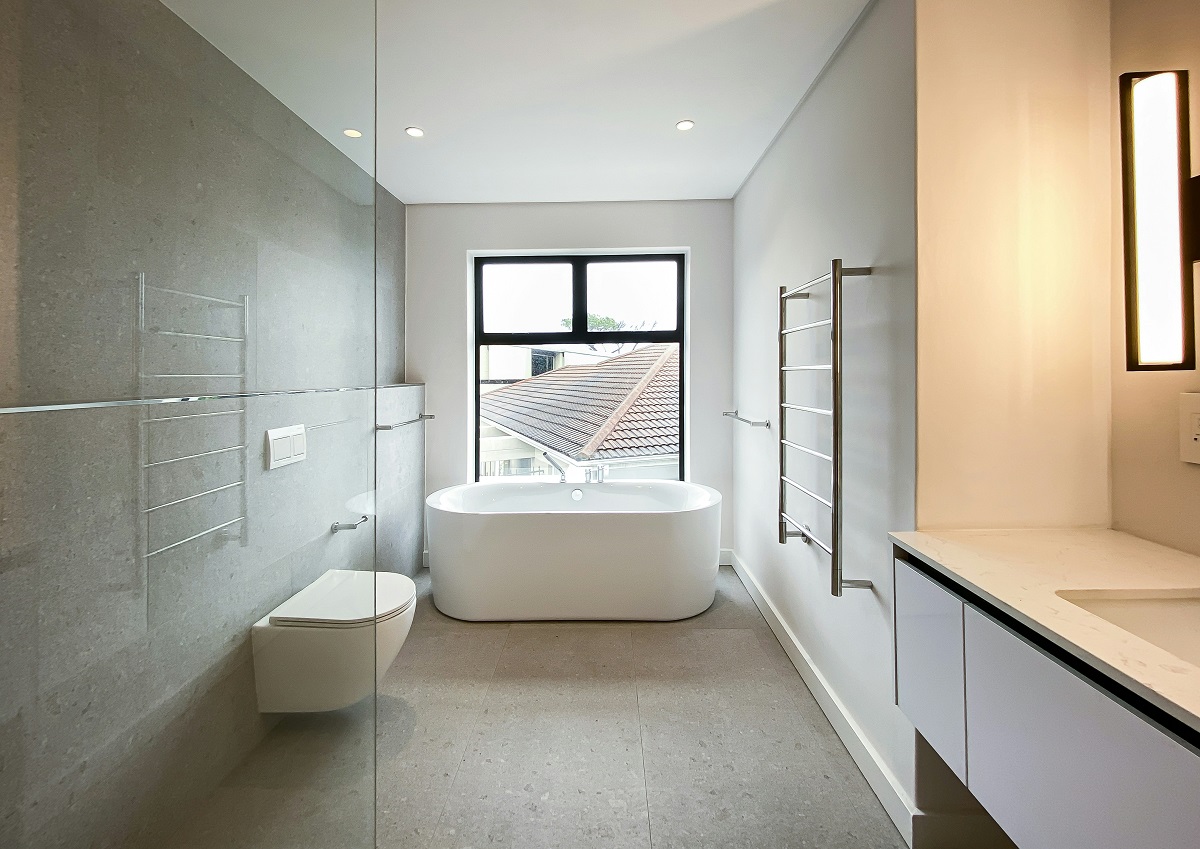
Bathrooms can be particularly challenging for special needs residents, but simple adjustments like installing grab bars make a significant difference. Position grab bars near toilets, showers, and bathtubs to provide support and stability. Using bars with a textured grip improves safety, while coordinating with a paint store to select complementary finishes ensures the space remains visually appealing. Consulting with plumbing supply services can help ensure that installations meet safety codes and are positioned optimally. For families considering more extensive bathroom renovations, basement remodeling or home construction adjustments can allow for the integration of larger accessible showers or wider doorways. Properly installed grab bars enhance confidence, reduce the risk of falls, and empower residents to maintain independence.
Non-Slip Flooring
Non-slip flooring is essential for any special needs friendly bathroom. Materials such as textured tile, vinyl, or rubberized flooring can prevent slips and provide secure footing even when surfaces are wet. Consider contrasting colors for floors and walls to aid residents with visual impairments in identifying edges and boundaries. Installing motorized shades over windows can also reduce glare on wet surfaces, further improving safety. Regular maintenance, including periodic inspections of plumbing fixtures from local plumbing supply services and ensuring that ac repair keeps humidity levels in check, can prolong the effectiveness of non-slip flooring. Together, grab bars and non-slip materials create a bathroom that prioritizes safety, independence, and accessibility for all residents.
What Are Essential Features for Bedrooms?
Adjustable Bed Heights
Bedrooms play a crucial role in comfort and independence for special needs residents. Adjustable bed heights allow individuals to safely get in and out of bed while accommodating specific mobility needs. Beds for kids with special needs are especially important, as they can provide extra support, prevent falls, and ensure proper posture while sleeping. For adults, adjustable beds can improve circulation, ease pain, and simplify daily routines. Pairing these beds with motorized shades allows residents to control light levels without needing assistance. Additionally, integrating thoughtful home construction features, such as wider doorways and accessible closet spaces, enhances the overall functionality of the bedroom. The combination of adjustable furniture, controlled lighting, and accessibility-focused design makes bedrooms a safe, relaxing, and empowering space.
Clutter-Free Surroundings
A clutter-free environment is essential for safety and ease of movement in bedrooms. Remove unnecessary furniture, cords, and obstacles to allow residents to navigate freely. Storage solutions, such as low shelves, accessible drawers, and labeled bins, keep personal items organized and within reach. Using a local glass company to install secure window panels or safety glass furniture can prevent accidents while maintaining aesthetics. Properly planning storage also reduces stress for caregivers and residents alike. Even simple tasks, like organizing clothing and personal items, become manageable when the room is thoughtfully arranged. Ensuring a tidy, accessible bedroom supports independence and promotes a calming atmosphere, which is especially beneficial for individuals with sensory sensitivities or mobility challenges.
How Can I Ensure the Outdoor Space Is Accessible?
Pathway Design
Creating accessible outdoor pathways is vital for special needs residents to enjoy their yards safely. Wide, smooth pathways allow for mobility devices such as wheelchairs or walkers. Avoid steep inclines and uneven surfaces that may pose hazards. Consider incorporating gentle slopes or ramps to connect different outdoor levels, making the yard fully navigable. Using durable, non-slip materials helps prevent accidents while allowing residents to experience outdoor activities comfortably. Outdoor areas can also benefit from well-planned lighting, motorized shades, or covered areas that provide shade and protection from weather. Thoughtful pathway design not only improves safety but also encourages engagement with nature, outdoor play, and physical activity.
Accessible Furniture
Outdoor furniture should complement accessibility efforts. Select tables and chairs with sturdy construction, supportive armrests, and easy-to-use seating. Lightweight furniture that can be moved safely allows residents to adjust their environment as needed. Adjustable-height tables, benches with firm seating, and seating with safety straps for younger children help ensure all residents can enjoy outdoor spaces. Even simple elements like accessible planters, raised garden beds, and secure trash bins can contribute to a functional and inclusive backyard. Incorporating these elements alongside other home modifications, such as ac repair for maintaining a comfortable temperature inside and out, creates an outdoor environment that is welcoming, safe, and usable for special needs residents.
What Safety Measures Should Be Considered?
Emergency Procedures
Establishing clear and practical emergency procedures is essential for every special needs friendly home. Make sure all residents are aware of evacuation routes, accessible exits, and designated safe areas. Label emergency equipment, like fire extinguishers or first aid kits, clearly and keep them within easy reach. Incorporate assistive devices, such as alarms with visual cues or vibrating alerts, for residents with hearing or sensory challenges. Integrating these systems during home construction or remodeling, along with services like pick up and delivery laundry service to reduce clutter, ensures that residents can respond quickly in emergencies. Planning for emergencies reduces anxiety and empowers both residents and caregivers to act efficiently under stressful conditions.
Regular Safety Inspections
Conducting regular safety inspections is a proactive way to maintain a special needs friendly home. Inspect flooring, furniture, grab bars, lighting, and accessible pathways for wear or hazards. Check appliances, plumbing fixtures, and ac units to ensure they are functioning correctly, potentially leveraging local plumbing supply services for replacements or upgrades. Evaluate both indoor and outdoor areas, including basement remodeling projects, to maintain consistency in safety measures. Using a dumpster rental service during home improvement or remodeling ensures debris is managed safely and prevents accidents. Regular inspections help identify potential hazards before they become serious problems, ensuring that the home remains a secure and comfortable environment for all residents.
How to Integrate Technology for Accessibility?

Smart Home Devices
Smart home devices can significantly enhance accessibility for special needs residents. Automated lighting, climate control, and motorized shades allow residents to manage their environment independently. Smart thermostats and ac repair monitoring systems help maintain optimal indoor temperatures, improving comfort and reducing strain. Smart locks, video doorbells, and security systems can be operated remotely, ensuring safety while supporting independence. Integrating these devices during basement remodeling or home construction projects ensures that technology fits seamlessly into the overall design. The careful implementation of smart devices makes daily routines easier, reduces the need for constant caregiver assistance, and improves overall quality of life.
Assistive Technology Options
Assistive technology options go beyond smart home devices to support special needs residents in various ways. Voice-activated controls, adaptive kitchen tools, and adjustable furniture increase independence. Beds for kids with special needs, specialized seating, and mobility aids can all be integrated with the home environment to ensure residents are comfortable and safe. Even services like pick up and delivery laundry service can be coordinated through technology to make daily tasks more manageable. Exploring a variety of assistive devices allows families to tailor solutions to individual needs, creating a home that is both inclusive and functional. Combining these technologies with thoughtful design and careful selection of products from paint stores, local glass companies, and plumbing supply services ensures a comprehensive approach to accessibility.
Are There Financial Resources Available for Modifications?
Government Grants and Programs
Many government grants and programs are available to help families make their homes more accessible for special needs residents. These resources can assist with funding for home construction adjustments, basement remodeling, accessible bathroom installations, and even motorized shades or adjustable beds. Research local, state, and federal programs to identify potential funding options. Working with professionals who are familiar with accessible design ensures that improvements meet both safety and grant requirements. Government support can make a significant difference in implementing modifications that improve quality of life without creating financial strain.
Non-Profit Organizations
Non-profit organizations also provide valuable resources for creating special needs friendly homes. These organizations may offer funding, professional guidance, or equipment donations such as a bed for kids with special needs, mobility aids, and assistive technology. Collaborating with non-profits can reduce costs associated with basement remodeling, home construction, or installing safety features like grab bars and accessible furniture. Additionally, some non-profits provide educational materials and support networks for families seeking guidance on accessible home design. Leveraging these resources ensures that modifications are both effective and affordable while promoting independence and safety for special needs residents.
Making every room in your home special needs friendly is a comprehensive process that requires careful planning, thoughtful modifications, and a commitment to inclusivity. By addressing accessibility in living rooms, kitchens, bathrooms, bedrooms, and outdoor spaces, families can create environments that support independence, safety, and comfort. Integrating technology, such as smart home devices and assistive technology options, further enhances the daily lives of residents. Ensuring safety through grab bars, non-slip flooring, and regular inspections protects everyone in the home. Financial resources, including government grants and non-profit support, can help families implement these changes without significant strain. Incorporating elements like beds for kids with special needs, motorized shades, ac repair, plumbing supply services, basement remodeling, and thoughtful home construction ensures that all areas of the home are functional, comfortable, and inclusive. By taking these steps, families create homes where special needs residents can thrive, enjoy independence, and feel secure in every part of their living environment.