Highlights:
- Falls cause the large majority of bathroom injuries, according to CDC data, and the risk climbs with age, so the floor deserves as much attention as grab bars and shower seats.
- Glossy or polished surfaces become dangerously slick when wet. Choose matte, honed, embossed, or textured finishes instead, and test samples wet and barefoot before buying.
- Grip is only one factor. Comfort underfoot, temperature, cleaning ease, drainage, and how well wheelchairs and walkers roll across the surface all matter too.
- Seamless or low-grout options like poured rubber, sheet vinyl, and epoxy are easier to keep sanitary and give wheels and mobility aids a smoother path.
- Softer materials such as rubber, cork, and vinyl add cushioning and warmth, which helps people with joint pain, sensory sensitivities, or a higher fall risk.
- Roll-in shower pans with a gentle slope and textured surface remove the need to step over a curb and keep water from pooling.
- Budget-friendly fixes like suction mats and adhesive treads can improve safety right away, but they need regular checking and replacing, so treat them as a bridge to a permanent solution.
- An occupational therapist or an accessibility-minded contractor can match the surface to how the person actually moves, which helps avoid costly mistakes.
If you care for someone with a disability, a mobility challenge, a sensory difference, or a balance issue, you already know the bathroom is the room that keeps you on your toes. It’s small, it’s wet, and it asks a lot of the body: standing, turning, stepping over edges, sitting down, and getting back up again. Put a slick floor into that mix and an ordinary morning routine becomes a risk.
The good news is that your flooring choice can change things in a big way. The right surface gives more grip, softens a fall, works with a wheelchair or walker, and feels comfortable for people who are sensitive to texture or temperature. This guide walks through eleven practical options, explains what to look for before you buy, and covers the small details around the floor that make a big difference. Think of it as a friendly roadmap, whether you’re planning a full remodel or just upgrading what you already have.
Why Slippery Floors Are Such a Big Deal
Bathrooms have a reputation for being risky, and the numbers back it up. A CDC study of emergency department visits found that most bathroom injuries, about 81 percent, were caused by falls, and that injury rates climbed with age.
Here’s what that tells us. Falls aren’t a side issue in the bathroom, they’re the main event. Hard surfaces, water, soap, and steam all show up in the same small room, and people with limited strength, unsteady balance, or slower reaction times have less margin for error. Add a wheelchair, a walker, or a caregiver helping with a transfer, and the stakes go up again. For families supporting a loved one with special needs, this data point is a useful reminder that the floor deserves as much attention as the grab bars and the shower seat. A well-chosen surface lowers the chance of a slip in the first place, which is far easier than dealing with the aftermath.
What to Check Before Choosing a Surface
Before you fall in love with a color or a pattern, run any candidate through a quick checklist. Grip matters most, but it isn’t the only factor.
- Wet traction: Look for a wet-area slip rating on the spec sheet, often listed as a DCOF value for tile. If a retailer can’t tell you how a product performs when wet, keep looking.
- Wheel and walker friendliness: Very rough textures can make rolling harder and can catch on walker feet. You want grip without a sandpaper feel.
- Comfort underfoot: Some people tire quickly or have joint pain, so a surface with a bit of give can help.
- Sensory needs: Bare feet on cold stone or a bumpy surface can be upsetting for people with sensory sensitivities. Think about temperature and texture.
- Cleaning and hygiene: Bathrooms need frequent cleaning, and accidents happen. Seamless or low-grout surfaces are easier to keep sanitary.
- Transitions: Avoid raised thresholds where you can. A flush or gently sloped edge is safer for feet, wheels, and canes.
- Drainage: A floor that sheds water quickly keeps puddles from forming where someone is about to step.
Keep this list handy as you read through the ideas below. Almost every option involves a tradeoff between grip, comfort, and cost, and the best choice depends on who lives in the home.
1. Textured Porcelain Tile
Porcelain tile is a classic for good reason. It’s durable, water resistant, and comes in a huge range of styles. The key is choosing a tile with a matte or textured finish rather than a polished one. Polished porcelain looks fancy but becomes glassy when wet, which is the opposite of what you want.
Look for tiles marketed for wet areas or with a built-in surface texture. Many manufacturers now offer slip-resistant lines that mimic wood, concrete, or stone, so you don’t have to give up a stylish look. Larger tiles mean fewer grout lines, which helps with cleaning and wheelchair rolling, though you’ll want to balance that against the grip that smaller tiles provide in some cases. If you go this route, ask your installer about a slip-resistant sealer on the grout as well.
2. Small Mosaic Tiles With Extra Grout Lines
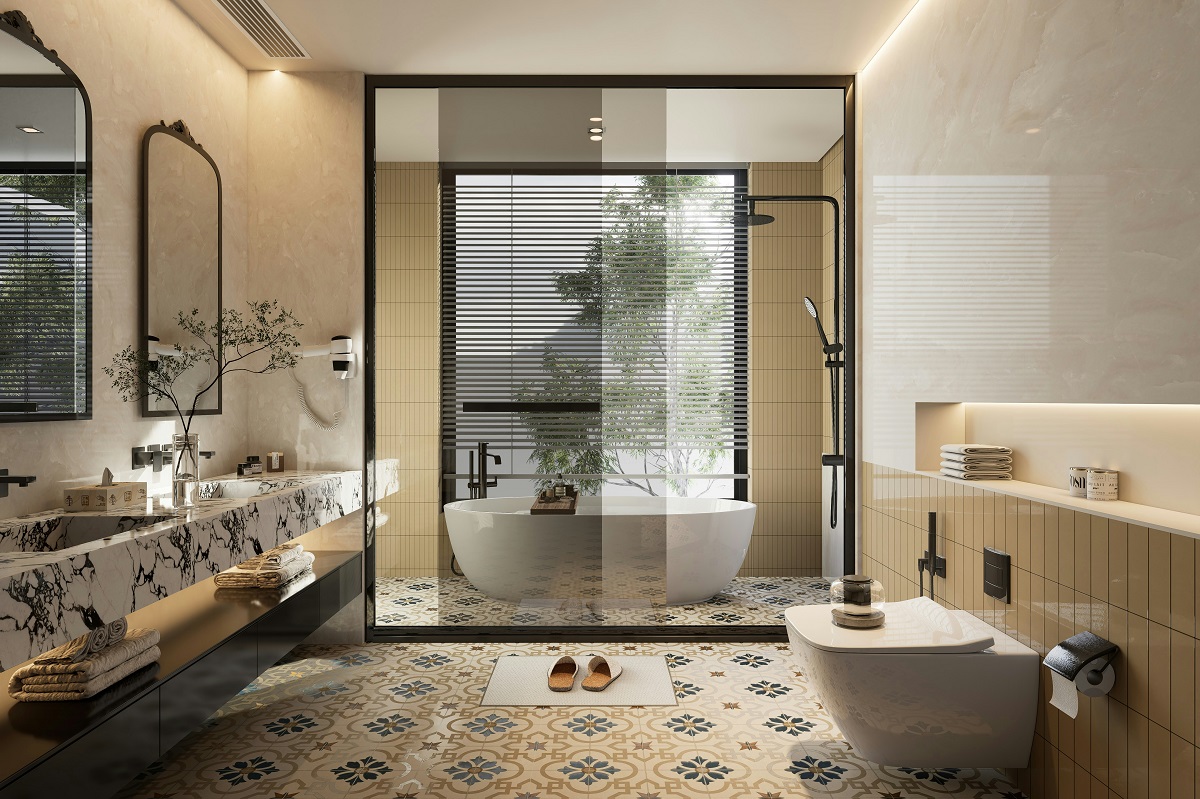
Small tiles, such as one inch squares or penny rounds, create a lot of grout lines, and grout is naturally grippier than the face of the tile. That’s why mosaics are a favorite for shower floors and for sloped drain areas. The many edges give feet and mobility aids extra traction, and the small pieces follow the slope of a shower pan far more easily than large tiles do.
The tradeoff is maintenance. More grout means more scrubbing, and grout can stain or grow mildew if it isn’t sealed. Epoxy grout is a smart upgrade here because it resists stains and moisture better than traditional cement-based grout. If you pick mosaics, use them where grip matters most, like the shower, and consider larger textured tile for the rest of the room.
3. Vinyl Sheet Flooring With a Slip-Resistant Finish
Sheet vinyl is one of the most underrated choices for accessible bathrooms. It comes in wide rolls, so a typical bathroom can be covered with very few seams, or none at all. That makes it water resistant and easy to wipe down. It’s also softer and warmer underfoot than tile, which helps people with sore joints or sensory sensitivity to cold surfaces.
Some commercial-grade vinyl is made with tiny particles or a textured wear layer that boosts traction when wet. Because it’s flexible, it also gives a bit if someone does lose their footing. Cost is another plus, since sheet vinyl is usually among the more budget-friendly options. For a rental or a temporary setup, it’s a great way to improve safety without a major renovation.
4. Luxury Vinyl Planks With Embossed Texture
If you like the look of hardwood but need something that can handle a splash zone, luxury vinyl plank is worth a look. Choose planks with an embossed or “registered” texture, where the surface grain follows the printed pattern. Those ridges give your feet something to hold on to.
Waterproof core planks are the safest choice for bathrooms, since the cheaper versions can swell if water gets underneath. They click together without much fuss, they feel comfortable underfoot, and they warm up faster than stone. Be careful with smooth, glossy planks, because they can get slick quickly. When shopping, ask to see the sample wet. A quick splash of water on a sample tells you more than the marketing label does.
5. Poured Rubber Flooring
Poured rubber is often seen in gyms, hospitals, and care facilities, and it translates well to home bathrooms. It’s installed as a seamless surface, so there are no grout lines to clean and no edges to trip on. The material is naturally grippy even when wet, and it has a slight cushion that softens impact if someone stumbles.
This is a standout option for people at higher risk of falling or for anyone who uses mobility aids, since the surface is smooth enough for wheels yet textured enough for traction. It does tend to come with a higher price tag and usually needs a professional installer. The color palette has also expanded over the years, so it no longer has to look clinical. If long-term safety is the priority and the budget allows, it’s one of the strongest picks on this list.
6. Rubber Tiles and Interlocking Mats
If poured rubber is out of reach, rubber tiles are a flexible alternative. They come in squares or planks that lock together, and they can be installed over many existing floors, which makes them handy for renters or anyone avoiding demolition. They offer cushioning, good traction, and warmth underfoot.
Because the tiles are individual pieces, a damaged one can be swapped out without redoing the whole room. Just be sure the edges are tight and sealed so water doesn’t seep underneath, since trapped moisture can lead to mold. Look for tiles designed for wet areas, and check that the edges lie flat so they don’t catch a foot or a wheel. For households that need a quick, reversible upgrade, this is a very practical route.
7. Cork Flooring With a Sealed Surface
Cork might sound unexpected for a bathroom, but it has some real strengths. It’s naturally slip resistant, soft underfoot, and warmer than tile, which can be a big comfort for people who are sensitive to cold floors. It also absorbs some of the shock of a fall and is naturally resistant to mold and mildew.
The catch is that cork must be properly sealed, because unsealed cork absorbs water. A high-quality sealant and prompt cleanup of puddles are essential. Cork also needs periodic resealing over the years. It’s a good fit for bathrooms that don’t see heavy splashing, such as a half bath or the area outside the shower, rather than a wet room where water pools constantly.
8. Epoxy Floors With Grit Additives
Epoxy coatings create a smooth, seamless, waterproof surface, and they can be customized for traction. By mixing fine grit, such as aluminum oxide or quartz, into the coating, installers can create a floor that grips well without feeling harsh. Because it’s one continuous surface, there’s nowhere for water or bacteria to hide, which is a big win for hygiene.
The look can be modern and clean, and the color options are broad. This approach works especially well in roll-in showers and wet rooms where water control matters. The downsides are that the application needs a skilled professional and good ventilation during curing. You’ll also want to confirm the grit level with your installer, since too much can feel rough on bare skin, while too little defeats the purpose.
9. Natural Stone With a Honed or Textured Finish
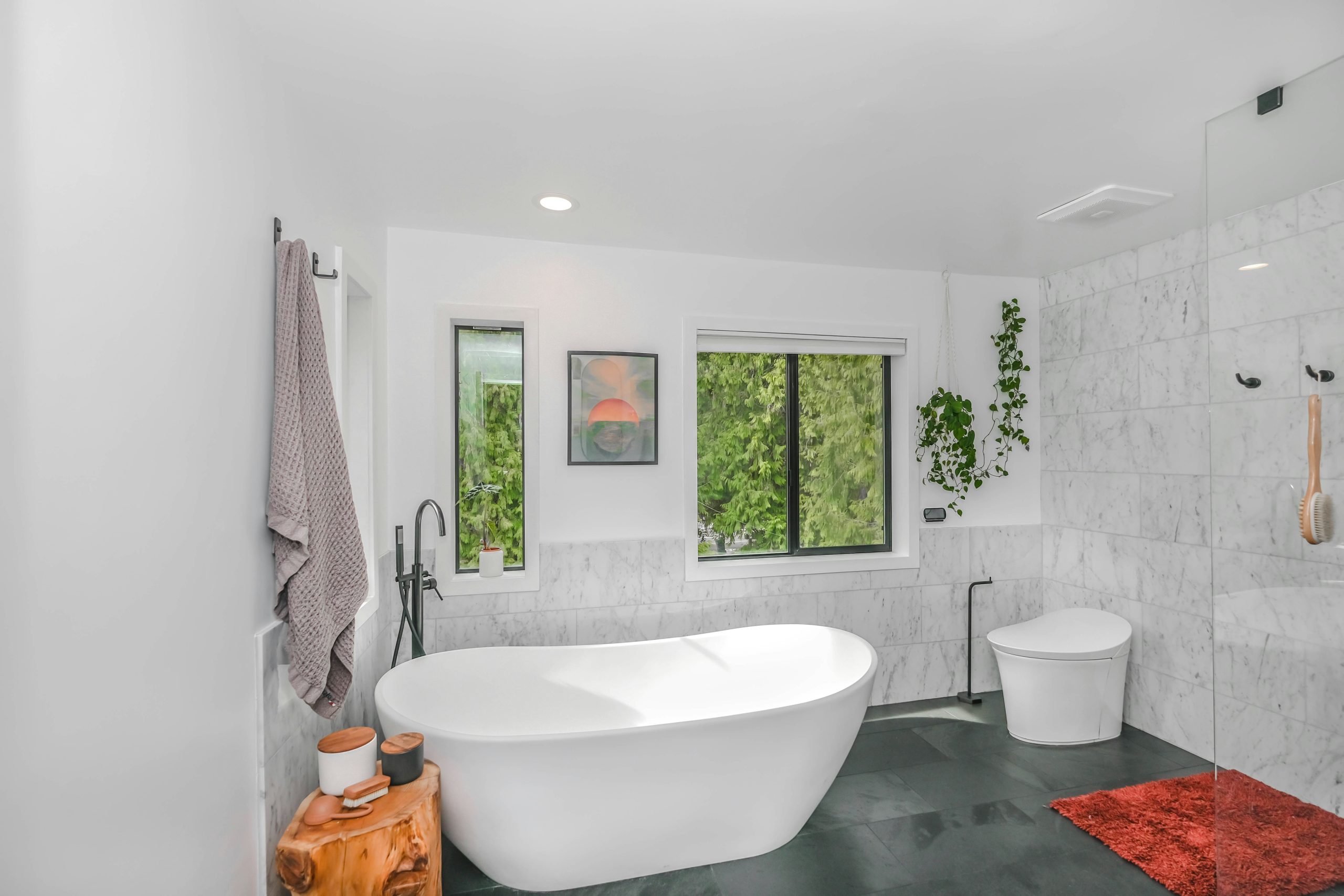
Slate, limestone, and travertine can bring a spa-like feel to a bathroom, and many have an inherent texture that helps with grip. The key words to look for are honed, brushed, or flamed, which describe finishes that dull the surface and add traction. Avoid polished stone, which can be treacherous when wet.
Stone is beautiful but needs more care. It’s porous, so it must be sealed and resealed regularly. It can also feel very cold in the morning, so radiant floor heating is a lovely pairing if the budget allows. For households where someone has sensory sensitivities, test the texture with bare feet first. A surface that looks gentle can feel surprisingly rough.
10. Roll-In Shower Pans and Textured Shower Floors
The shower floor deserves its own plan, because it’s where water and bare feet meet most often. Prefabricated roll-in shower pans are built with a gentle slope to the drain and a textured surface for traction, and they’re designed to be entered without stepping over a curb. That’s a huge help for wheelchair users, people with walkers, and anyone who struggles to lift their legs.
When choosing one, look at how deep the texture is and how easy it is to clean. Some pans use a stippled pattern, while others have a molded grid. Pair the pan with a handheld showerhead and a fold-down seat for a setup that supports independence. A properly sloped floor also prevents puddles, which means fewer slick spots after the water is turned off.
11. Removable Mats and Safety Treads for Short-Term Fixes
Not every household can renovate right away, and that’s completely fine. Removable options can improve safety quickly and affordably. Suction-backed bath mats, adhesive safety strips, and grip tapes can all add traction to an existing tub or shower floor. Larger rubber-backed mats outside the shower can catch drips and prevent slipping when stepping out.
These come with a few rules. Check that mats actually stick firmly and don’t curl at the edges, because a loose mat is a tripping hazard. Clean underneath regularly to prevent mildew, and replace them when the grip wears down. Think of these as a bridge solution or a backup layer, not a replacement for a properly chosen floor when you’re ready for a bigger project.
Getting Professional Input Before You Commit
Choosing a floor is easier when you’ve had expert eyes on the space. An occupational therapist can assess how the person moves, transfers, and uses mobility equipment, then recommend what will work in real life. A contractor with accessibility experience can also spot issues that aren’t obvious, like a slightly raised threshold or a floor that doesn’t drain properly.
This kind of planning is a core part of any set of special needs home modifications, and it can save you from costly mistakes. It’s also worth asking whether local programs, insurance coverage, or grants might help with the cost of accessibility upgrades, since options vary widely depending on where you live. A short consultation up front often pays for itself by steering you toward the right material the first time.
Small Details Around the Floor That Matter
The floor itself is only part of the story. A few nearby details can make or break how safe the room feels.
- Grab bars: Install them near the toilet, inside the shower, and along the route between them. They work together with good flooring, not instead of it.
- Lighting: Bright, even lighting helps people see changes in surface and spot water on the floor. A motion-activated night light is great for late-night visits.
- Door width and thresholds: Wider doorways and flush thresholds help wheelchairs and walkers move through without catching.
- Color contrast: For people with low vision, a floor that contrasts with the walls and fixtures makes the layout easier to read.
- Clutter control: Keep towels, laundry baskets, and cleaning supplies off the floor so the path stays clear.
- Water management: A squeegee near the shower makes it easy to clear puddles quickly.
These small touches add up. A great floor with poor lighting or a cluttered path won’t deliver its full benefit.
Budget and Installation Tips
Costs can range widely, so it helps to match your choice to your situation. Sheet vinyl, rubber tiles, and removable mats sit on the more affordable end. Porcelain tile, cork, and luxury vinyl fall in the middle. Poured rubber, epoxy, natural stone, and custom shower systems typically cost more, especially once labor is included.
Whatever you pick, a few installation habits are worth following:
- Make sure the subfloor is flat, dry, and properly waterproofed before anything goes down.
- Ask for slip-resistant grout or sealers where applicable.
- Request samples and test them wet and barefoot, ideally with the person who will use the room.
- Confirm warranty details for wet-area use, since some products aren’t rated for constant moisture.
- Plan for future needs. A floor that works today should ideally still work if mobility needs change down the line.
Taking an extra week to plan usually beats living with a floor that doesn’t quite fit.
Final Thoughts
A safer bathroom doesn’t have to feel like a hospital room. With the right surface, thoughtful details, and a bit of planning, you can build a space that’s comfortable, stylish, and genuinely supportive for someone with special needs. Start by thinking about who uses the room and how they move, then match that with a surface that offers grip, comfort, and easy upkeep. Whether you choose textured porcelain, soft rubber, or a simple set of adhesive treads as a first step, every improvement counts. A little attention to the floor can go a long way toward keeping your loved one steady, confident, and independent.