Outdoor spaces can become an extension of the home when they are designed for comfort, convenience, and everyday use. A backyard that feels inviting gives homeowners another place to relax, entertain, spend time with family, or simply enjoy a change of scenery without leaving home. Even small improvements can make a noticeable difference in how often an outdoor area is used and how enjoyable it feels throughout the year.
The most effective backyard projects usually combine appearance with practical function. A beautiful patio may not be as useful if nearby trees create hazards, while a pool may be less enjoyable if the surrounding equipment needs attention. Looking at the yard as a complete living space makes it easier to prioritize upgrades that support safety, maintenance, and long-term enjoyment.
Seasonal changes can also reveal which areas need the most attention. Spring may highlight drainage problems, summer can make pool issues more obvious, and fall may bring tree maintenance to the top of the list. By addressing these needs thoughtfully, homeowners can create an outdoor environment that feels more polished, comfortable, and suited to the way they actually live.
Create More Structure With Thoughtful Landscaping
A well-planned landscape can make a backyard feel more organized while also solving practical issues. Sloped yards, uneven planting beds, and areas affected by erosion may benefit from added structure. Retaining walls can define different parts of the yard, support soil, and create cleaner transitions between patios, lawns, gardens, and other outdoor features.
Homeowners considering this type of project may want to speak with retaining wall installers about materials, drainage, height, and placement. These details can affect both appearance and performance. Stone, concrete block, timber, and other materials each create a different look, so the finished wall can complement the home’s exterior and existing landscape style.
Landscaping can also help create more comfortable zones for daily use. A raised garden bed near a seating area can add color and texture, while a low wall may double as casual seating during gatherings. Defined borders around pathways or planting areas can make the yard easier to maintain and give the entire space a more intentional appearance.
Before adding decorative features, it helps to consider how water moves through the property. Poor drainage can damage plants, hardscaping, and nearby structures. Addressing grading and runoff early may prevent repeated repairs later and help new landscape improvements last longer.
Clear Away Stumps and Unused Yard Obstacles
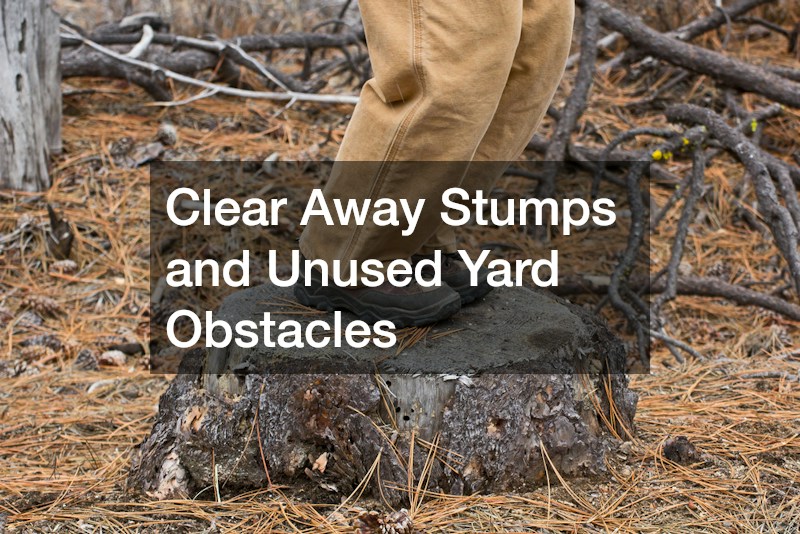
Old stumps can take up valuable space, interrupt lawn care, and make an otherwise finished landscape feel incomplete. Removing them can open the door to new planting areas, expanded lawns, fire pit zones, or additional seating. For homeowners who enjoy tackling outdoor projects themselves, a stump grinder rental may be an option for clearing one or more manageable stumps.
Before renting equipment, homeowners should consider stump size, location, nearby utilities, and their own comfort with operating heavy machinery. Grinding a stump can involve flying debris, uneven terrain, and underground roots, so proper safety precautions matter. In some cases, hiring a professional may be more practical, especially when the stump is large or located near a fence, structure, or utility line.
A professional stump grinding service can reduce the stump below ground level and make it easier to restore the area. After grinding, the remaining space can often be filled with soil and seeded, mulched, or incorporated into a new landscape design.
Clearing old stumps can also make seasonal yard cleanup more efficient. Lawn mowers and other equipment can move more freely, and homeowners gain more flexibility when rearranging furniture, adding pathways, or changing the shape of garden beds. Removing unused obstacles is a simple way to make a backyard feel larger and more functional.
Keep Trees Healthy, Attractive, and Manageable
Mature trees provide shade, privacy, and natural beauty, but they also require regular attention. Broken branches, dense canopies, and limbs growing too close to roofs or utility lines can create maintenance concerns. Routine trimming can help preserve a tree’s shape while reducing dead or damaged growth.
Local tree trimmers can assess which branches should be removed and whether a tree has signs of disease, decay, or structural weakness. Professional pruning can also improve clearance around walkways, patios, fences, and outdoor living areas. This may be especially useful before stormy seasons, when weak limbs can become more vulnerable to wind.
Sometimes pruning is not enough. Trees that are severely damaged, unstable, dead, or poorly located may need to be removed. Tree removal services can evaluate access, surrounding structures, and the safest way to take down a tree without causing unnecessary damage to the rest of the property.
Once problem trees and branches are addressed, homeowners can rethink how the space below them is used. A newly opened area may become suitable for a garden, play space, lounge furniture, or additional sunlight-loving plants. Thoughtful tree care can therefore support both safety and design goals while helping the rest of the backyard feel more open.

Make the Pool Area Safer and More Comfortable
A swimming pool can become the centerpiece of outdoor living, especially during warm weather. However, comfort around the pool depends on more than water temperature and attractive furniture. Safety features, clear walkways, and well-maintained surfaces all contribute to a more enjoyable environment.
Pool safety fences are one of the most important considerations for homes with swimming pools. Depending on local requirements and the layout of the property, fencing can help limit unsupervised access to the water. Homeowners should consider gate placement, latch design, fence height, visibility, and how the barrier fits with the surrounding landscape.
The area around the pool should also be easy to move through. Cluttered pathways, unstable furniture, and slippery surfaces can make the space less relaxing. Keeping pool toys, cleaning tools, and outdoor accessories stored neatly can reduce trip hazards and create a cleaner visual appearance.
Shade can improve comfort as well. Umbrellas, pergolas, retractable awnings, or strategically planted greenery can provide relief during the hottest parts of the day. Adding weather-resistant seating and small tables makes it easier to use the area for reading, casual meals, or quiet afternoons outside.
A pool area that feels organized and secure is more likely to become a natural gathering place. Combining practical safety features with comfortable furnishings can help the space serve both everyday routines and special occasions.
Stay Ahead of Routine Pool Maintenance
Clear, balanced water makes a pool more inviting and can reduce the likelihood of larger maintenance problems. Routine care usually includes skimming debris, brushing surfaces, monitoring chemical levels, cleaning filters, and checking circulation. These tasks may become more frequent during periods of heavy use or after storms.
Some homeowners handle basic upkeep themselves, while others prefer swimming pool cleaning services for scheduled maintenance. Professional service can be useful for those who travel often, have limited time, or simply want consistent care throughout the swimming season. Regular visits may also help identify developing issues before they become more disruptive.
Water chemistry deserves particular attention because imbalances can affect comfort and pool surfaces. Improper levels may contribute to cloudy water, scaling, staining, or irritation. Filters and pumps also need to operate properly to keep water circulating and remove contaminants.
Seasonal maintenance is just as important as weekly care. Opening a pool in spring and preparing it for cooler weather may involve additional cleaning, equipment checks, and protective steps. Creating a routine makes it easier to keep the pool ready for use instead of spending valuable warm-weather days solving preventable problems.
A well-maintained pool supports the overall appearance of the backyard. Sparkling water, clean decking, and organized equipment can make the entire outdoor space feel more polished and welcoming.
Repair Pool Equipment Before Small Issues Grow
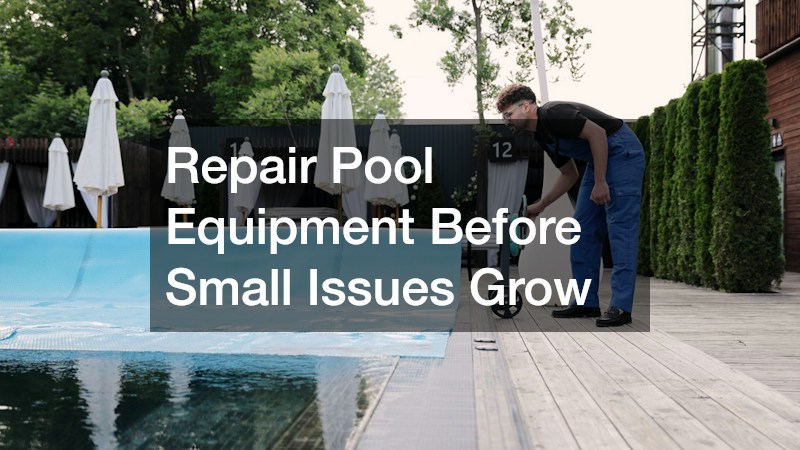
Pool equipment works behind the scenes, but it plays a major role in water quality and daily convenience. Pumps, filters, heaters, chlorination systems, lights, and automated controls all contribute to how smoothly the pool operates. When one component begins to fail, the effects can quickly become noticeable.
Strange noises, weak water circulation, unexpected changes in pressure, leaks, or inconsistent heating may signal the need for pool equipment repair. Addressing these symptoms early can help prevent a minor malfunction from putting additional strain on other parts of the system.
Homeowners should also keep an eye on equipment age. Older components may still function but consume more energy or require increasingly frequent repairs. When repair costs begin adding up, replacement may be worth considering. A newer pump, filter, or control system may also provide features that make routine pool care easier.
The equipment area itself should remain accessible and free of clutter. Plants, stored items, and debris can make inspections and repairs more difficult. Keeping the space tidy also makes it easier to notice leaks or unusual sounds.
Regular attention to pool systems helps protect the investment homeowners have already made in their outdoor space. Reliable equipment allows the pool to remain ready for spontaneous swims, weekend gatherings, and quiet evenings without avoidable interruptions.
Update an Aging Pool for Better Everyday Use
Even a structurally sound pool can begin to feel dated over time. Worn finishes, cracked decking, outdated tile, or an inefficient layout may make the area less appealing. Cosmetic and functional updates can give the backyard a fresher look while making the pool easier to enjoy.
Pool remodeling services can address projects ranging from resurfacing and new tile to updated coping, lighting, water features, or deck improvements. Homeowners may also choose to change the pool’s visual style so it fits better with newer landscaping, patio furniture, or exterior renovations.
Function should guide remodeling decisions as much as appearance. Adding steps, a tanning ledge, improved lighting, or easier access points may make the pool more useful for different household members. Updated surfaces can also improve comfort underfoot and refresh the overall look of the area.
For larger changes, an in ground pool contractor can help evaluate what is possible based on the existing structure, property layout, and project goals. Major renovations may involve plumbing, equipment relocation, structural changes, or expanded decking, all of which benefit from careful planning.
A remodeled pool does not have to look extravagant to make a meaningful difference. Clean finishes, updated materials, and practical improvements can help the space feel current while supporting the way homeowners want to use their backyard now.
Add Comfort With Flexible Outdoor Living Features
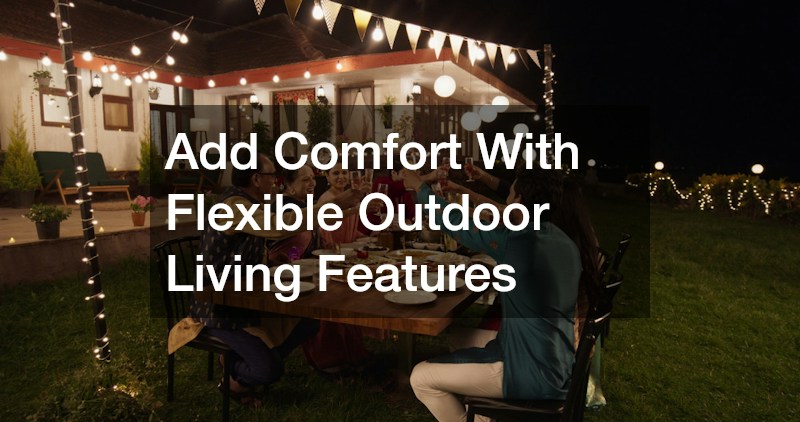
Once major maintenance and safety needs are addressed, smaller comfort upgrades can make the backyard feel more personal. Outdoor rugs, cushions, lighting, planters, and portable shade can quickly change the atmosphere without requiring major construction. These details are especially useful for homeowners who enjoy seasonal decorating and want the outdoor space to evolve throughout the year.
Furniture placement can have a major effect on how the yard functions. Grouping chairs around a fire pit encourages conversation, while a dining table near the kitchen creates a convenient place for outdoor meals. A small reading chair in a shaded corner can turn an overlooked part of the yard into a peaceful retreat.
Lighting also extends the usefulness of outdoor spaces after sunset. Path lights can improve visibility, while string lights, lanterns, or wall-mounted fixtures can create a softer atmosphere around seating areas. Layering different types of lighting allows homeowners to balance function with style.
Seasonal accents keep the space feeling fresh. Lightweight throws may be useful on cooler evenings, while bright cushions and umbrellas can add energy during summer. In fall, planters, warm lighting, and weather-resistant textiles can create a cozier setting.
Homeowners can think about how each improvement connects to routines across the seasons. A flexible backyard may need open lawn for summer games, shaded seating for hot afternoons, durable surfaces for rainy months, and cozy gathering areas when temperatures begin to fall. Planning around those patterns adds value.
The best backyard improvements are the ones that support real routines. A space does not need to be elaborate to feel enjoyable. By combining thoughtful landscaping, responsible tree care, pool maintenance, safety upgrades, and comfortable finishing touches, homeowners can create an outdoor area that feels like a natural extension of the home.